
-

This paragraph serves as an introduction to your blog post. Begin by discussing the primary theme or topic that you plan to cover, ensuring it captures the reader’s interest from the very first sentence. Share a brief overview that highlights why this topic is important and how it can provide value. Use this space to…
-

This paragraph serves as an introduction to your blog post. Begin by discussing the primary theme or topic that you plan to cover, ensuring it captures the reader’s interest from the very first sentence. Share a brief overview that highlights why this topic is important and how it can provide value. Use this space to…
-

This paragraph serves as an introduction to your blog post. Begin by discussing the primary theme or topic that you plan to cover, ensuring it captures the reader’s interest from the very first sentence. Share a brief overview that highlights why this topic is important and how it can provide value. Use this space to…
-

This paragraph serves as an introduction to your blog post. Begin by discussing the primary theme or topic that you plan to cover, ensuring it captures the reader’s interest from the very first sentence. Share a brief overview that highlights why this topic is important and how it can provide value. Use this space to…
-

This paragraph serves as an introduction to your blog post. Begin by discussing the primary theme or topic that you plan to cover, ensuring it captures the reader’s interest from the very first sentence. Share a brief overview that highlights why this topic is important and how it can provide value. Use this space to…
-

This paragraph serves as an introduction to your blog post. Begin by discussing the primary theme or topic that you plan to cover, ensuring it captures the reader’s interest from the very first sentence. Share a brief overview that highlights why this topic is important and how it can provide value. Use this space to…
-
This paragraph serves as an introduction to your blog post. Begin by discussing the primary theme or topic that you plan to cover, ensuring it captures the reader’s interest from the very first sentence. Share a brief overview that highlights why this topic is important and how it can provide value. Use this space to…
-
This paragraph serves as an introduction to your blog post. Begin by discussing the primary theme or topic that you plan to cover, ensuring it captures the reader’s interest from the very first sentence. Share a brief overview that highlights why this topic is important and how it can provide value. Use this space to…
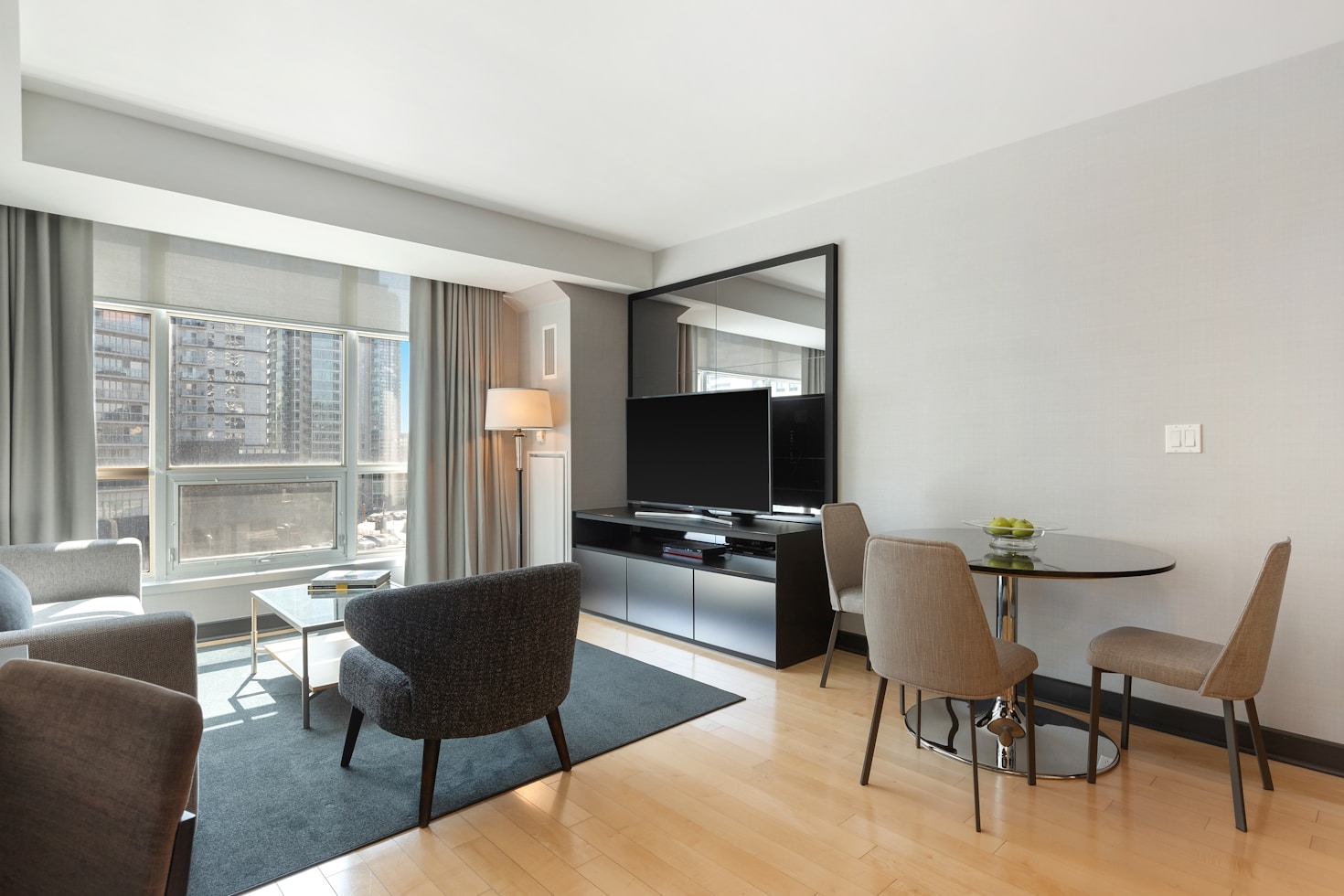
Moving to Shanghai is an exciting adventure, but securing the right apartment in one of the world’s most dynamic megacities can feel overwhelming. Whether you are moving for a new job or to study, navigating the Shanghai rental market requires a bit of local know-how. Here are our top tips for finding your dream home in the Pearl of the Orient.
1. Understand the Neighborhoods
Shanghai is massive, and each district has its own distinct personality. Your choice of neighborhood will dictate your lifestyle, commute, and budget:
- Jing’an and Xuhui: Perfect for expats and those who love a cosmopolitan vibe. Tree-lined streets, historic lane houses (longtangs), trendy cafes, and great nightlife come at a premium here.
- Huangpu: Right in the center of the action, close to the Bund and People’s Square. High-rises dominate, and you’ll be paying for ultimate convenience.
- Changning: Very popular with families and expats, offering a slightly more residential feel while still keeping you close to the downtown core (plus, easy access to Hongqiao Airport).
- Pudong: The financial powerhouse. If you work in Lujiazui, living here saves you from crossing the river daily. It features modern high-rises, expansive malls, and a more futuristic feel.
- Minhang or Yangpu: Great options if you are looking for more space for your money, often favored by teachers and students due to proximity to universities and international schools.
2. Know Your Budget and Hidden Costs
Rent in Shanghai is typically quoted on a monthly basis, but landlords usually expect payment a few months in advance. Keep the following financial aspects in mind:
- The Deposit: The standard security deposit in Shanghai is two months’ rent.
- Payment Cycles: While some landlords accept monthly payments, many prefer quarterly (pay every 3 months) or even semi-annual payments. Be prepared to negotiate, but have cash flow ready for multiple months upfront.
- Agency Fees: If you use an agent, the standard fee is usually equivalent to 35% to 50% of one month’s rent, typically split between the tenant and the landlord.
- Utilities: Electricity, water, gas, and internet are almost never included in the rent. Also, keep in mind that electricity rates in Shanghai operate on a tiered system—the more you use, the higher the rate per kilowatt-hour, which can lead to surprisingly high bills during peak summer (AC) and winter (heating) months.
3. Use a Mix of Apps and Local Agents
Relying on just one method to find an apartment can limit your options. A hybrid approach works best:
- expat-friendly apps and sites: Platforms like SmartShanghai, Anjuke, and Ziroom are great for browsing listings before you arrive. Ziroom is particularly popular for young professionals because they offer managed apartments with English-speaking customer service and included Wi-Fi/cleaning services.
- WeChat Mini-Programs: Once you are on the ground, WeChat is essential. Many agents post daily listings in WeChat moments and specialized housing groups.
- Walk into a local agency: Lianjia (the largest real estate agency in China) has brick-and-mortar storefronts on almost every street corner. While agents might have limited English, using translation apps on your phone makes it very easy to show them your budget and preferred location. They can pull up dozens of local listings instantly.
4. Inspect the Property Thoroughly
Photos online can be deceiving—wide-angle lenses and heavy editing are common. Before signing anything, check these crucial details:
- Water Pressure and Drainage: Turn on the shower and sinks to check the pressure and ensure water drains properly.
- Mold and Humidity: Shanghai summers are notoriously humid. Check corners, closets, and behind furniture for signs of mold.
- The Kitchen: Many traditional Chinese kitchens lack ovens, and sometimes even western-style stovetops. If you love to cook, ensure the kitchen meets your culinary needs.
- Noise Levels: Visit the apartment at different times of the day if possible. Street-facing apartments can be very loud due to honking, construction, or early morning street sweepers.
5. Read the Lease Carefully
Ensure your contract is bilingual (Chinese and English) or that you have a trusted, independent Chinese speaker review the Chinese version, as the Chinese text legally supersedes the English translation in disputes.
Key clauses to look out for include the diplomatic clause (allowing you to break the lease early if you lose your job or have to leave the country unexpectedly), maintenance responsibilities (who pays if the AC or washing machine breaks?), and clear instructions on how and when your security deposit will be returned.
6. Register with the Local Police Station
By Chinese law, foreigners must register their place of residence with the local Public Security Bureau (PSB) within 24 hours of moving into a new apartment (or whenever your visa/passport changes). If you rent through a reputable agency or landlord, they will usually accompany you to the local police station to complete this quick process. Always ensure you get your official Temporary Residence Registration Form, as you will need it for visa renewals, bank account updates, and mobile phone contracts.
Finding a home in Shanghai takes patience, but once you settle into your new neighborhood, grab a coffee on the Former French Concession, and experience the incredible energy of the city, all the apartment hunting stress will be well worth it. Happy hunting!